How it Works

Phase 1: Baseline
(0-3 months)

Environmental assessment. Monitoring network installed. Transparent starting conditions.

Phase 2: Deployment
(3-24 months)

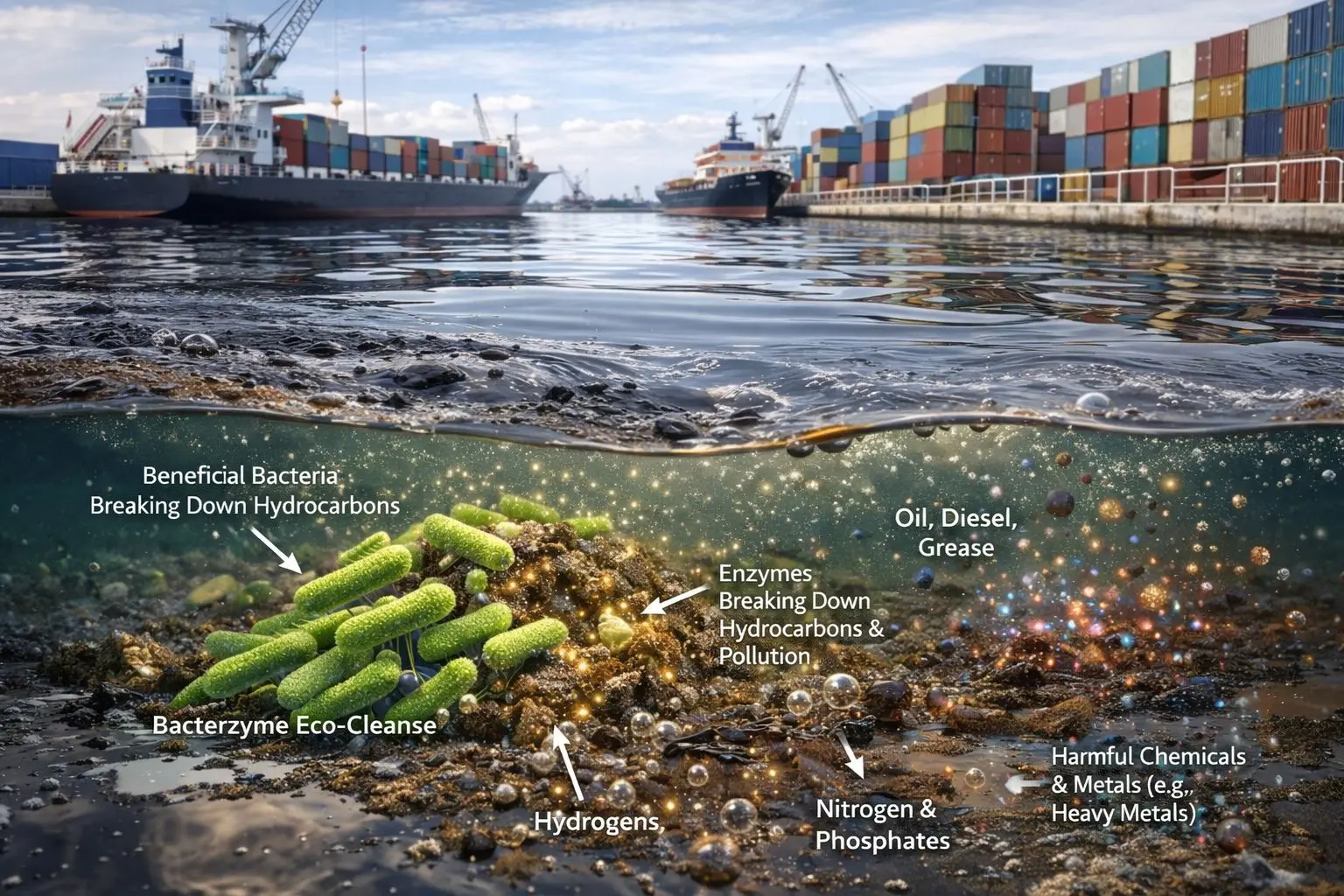
Bioremediation technology applied. Weekly monitoring. 60-90% contamination reduction.

Phase 3: Hybrid Remediation
(6-36 months)

Metal stabilization. Microplastic capture. Ecosystem recovery support.

Phase 4: Verification (12+ months)

Independent audits. Credit generation. Certification preparation. Ongoing monitoring.
Phase 2: Deployment
(3-24 months)

Bioremediation technology applied. Weekly monitoring. 60-90% contamination reduction.

Phase 4: Verification (12+ months)

Independent audits. Credit generation. Certification preparation. Ongoing monitoring.
Phase 1: Baseline (0-3 months)

Environmental assessment. Monitoring network installed. Transparent starting conditions.

Phase 3: Hybrid Remediation (6-36 months)

Metal stabilization. Microplastic capture. Ecosystem recovery support.

Financial Model

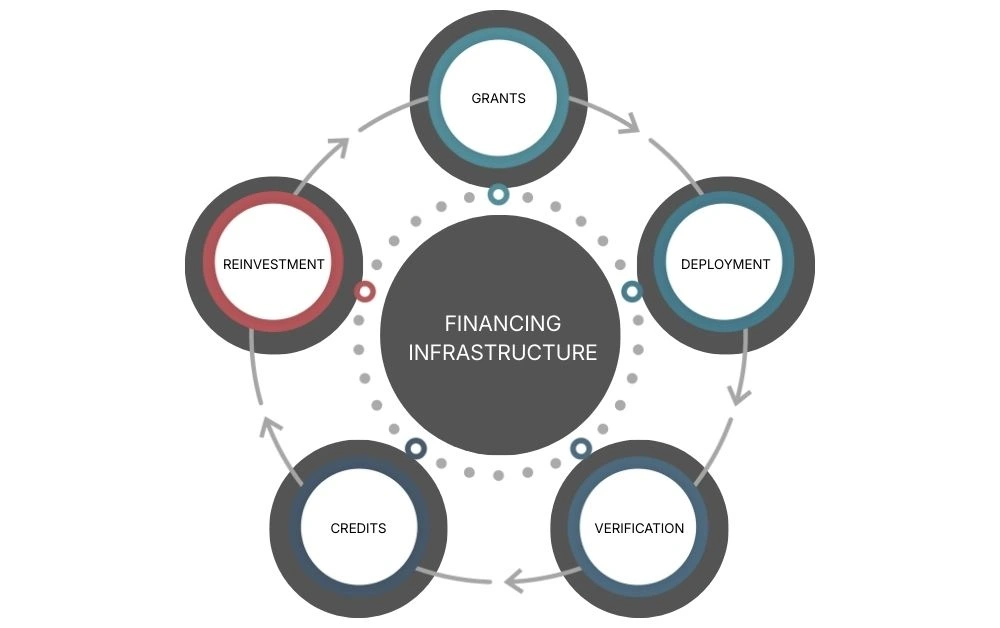
Grants fund deployment → Verified restoration → Environmental credits → Revenue funds expansion

Why this works:

Proven technology + proven operations + verified data + active credit markets = self-sustaining infrastructure.

Strategic Deployment

What makes a location optimal:

Strategic maritime position

Policy alignment

Environmental restoration need

Economic development opportunity

Partnership readiness

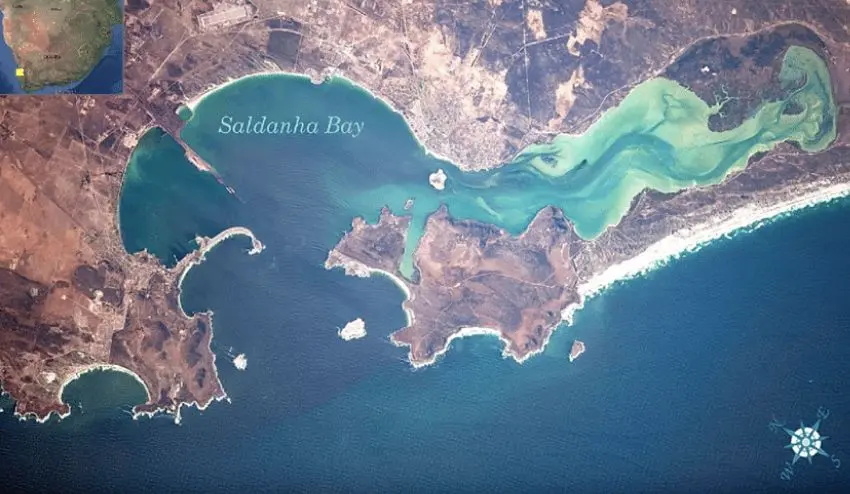
Southern Africa offers strong shipping conditions. Walvis Bay, Namibia is a strategic shipyard hub linking global routes with regional demand, while Saldanha Bay shows major growth potential alongside nearby commercial ports and large-scale restoration opportunities.

The platform is universal. Deployment is strategic.